
Delving into the realm of Reverse Mortgage Companies Explained: Fees, Rates, and Terms, this introduction sets the stage for an enlightening journey filled with valuable insights and information.
The following paragraphs will shed light on the intricacies of reverse mortgage companies, offering a detailed look at fees, rates, and terms associated with them.
Overview of Reverse Mortgage Companies
Reverse mortgage companies are financial institutions that specialize in providing reverse mortgage loans to eligible homeowners. These companies facilitate the process of obtaining a reverse mortgage by guiding borrowers through the application, approval, and disbursement stages.Role of Reverse Mortgage Companies
Reverse mortgage companies act as intermediaries between borrowers and lenders, helping to navigate the complexities of reverse mortgages. They assess the borrower's financial situation, determine loan eligibility, and guide them through the various options available.- Provide detailed information about reverse mortgage products and terms.
- Assist borrowers in completing the necessary paperwork for loan approval.
- Work with lenders to ensure a smooth and efficient loan disbursement process.
Benefits of Working with a Reverse Mortgage Company
Working with a reverse mortgage company can offer several advantages to borrowers looking to tap into their home equity for supplemental income or financial security.- Expertise: Reverse mortgage companies have specialized knowledge and experience in the reverse mortgage process, ensuring borrowers receive accurate information and guidance.
- Personalized Service: These companies provide personalized assistance to borrowers, addressing their specific needs and concerns throughout the loan process.
- Access to Options: Reverse mortgage companies offer access to a variety of loan products and terms, allowing borrowers to choose the option that best suits their financial goals.
Fees Associated with Reverse Mortgage Companies
When considering a reverse mortgage, it's crucial to understand the various fees associated with this financial product. These fees can significantly impact the overall cost of the loan and should be carefully evaluated before making a decision.Typical Fees Charged by Reverse Mortgage Companies
- Origination Fee: This fee covers the lender's costs for processing the loan and is typically around 2% of the home's value.
- Mortgage Insurance Premium: Borrowers are required to pay an upfront mortgage insurance premium, as well as ongoing premiums throughout the life of the loan.
- Appraisal Fee: Before approving a reverse mortgage, lenders require an appraisal of the property to determine its value. This fee can range from a few hundred to a thousand dollars.
- Closing Costs: Similar to traditional mortgages, reverse mortgages also come with closing costs, including title insurance, recording fees, and other miscellaneous expenses.
Comparison of Fee Structures Among Different Reverse Mortgage Companies
- Some reverse mortgage companies may charge higher origination fees but offer lower interest rates, while others may have lower upfront costs but higher interest rates.
- It's essential to compare the fee structures of different companies to determine which option aligns best with your financial goals and circumstances.
Impact of Fees on the Overall Cost of a Reverse Mortgage
- While fees can vary among reverse mortgage companies, they ultimately impact the total amount you receive from the loan and the interest accrued over time.
- Higher fees can reduce the funds available to you or increase the amount owed over the life of the loan, affecting your financial outcomes in the long run.
Interest Rates Offered by Reverse Mortgage Companies
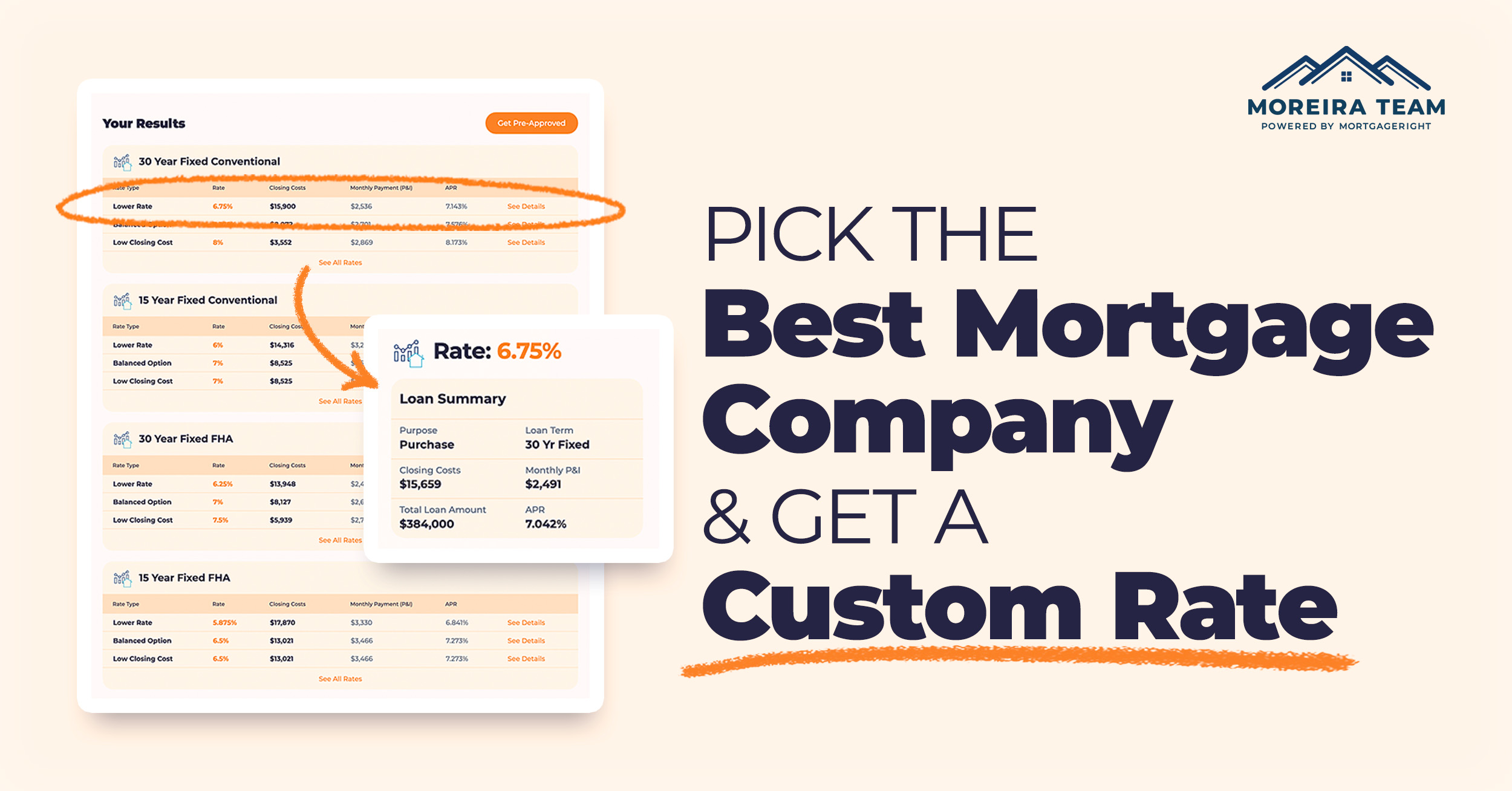
When it comes to reverse mortgages, one of the key factors to consider is the interest rate offered by the reverse mortgage companies. This rate will determine how much you owe on the loan over time and can significantly impact the overall cost of the loan.
How Interest Rates are Determined
Interest rates for reverse mortgages are typically determined by the lender based on a variety of factors. These factors may include the current market conditions, the lender's cost of funds, and the type of reverse mortgage product being offered. The interest rate may be fixed or adjustable, with adjustable rates often tied to a specific financial index.
Comparison of Interest Rates
It's important to compare interest rates from various reverse mortgage companies to ensure you are getting the best possible deal. Different lenders may offer different rates based on their individual pricing models and profit margins. Be sure to shop around and get quotes from multiple lenders to find the most competitive rate.
Factors Influencing Interest Rates
- The current economic climate and overall interest rate environment can impact the rates offered by reverse mortgage companies.
- Lender fees and profit margins may also play a role in determining the interest rate for a reverse mortgage.
- Borrower-specific factors, such as credit score, loan amount, and property value, can influence the interest rate offered by lenders.
Terms and Conditions of Reverse Mortgage Companies
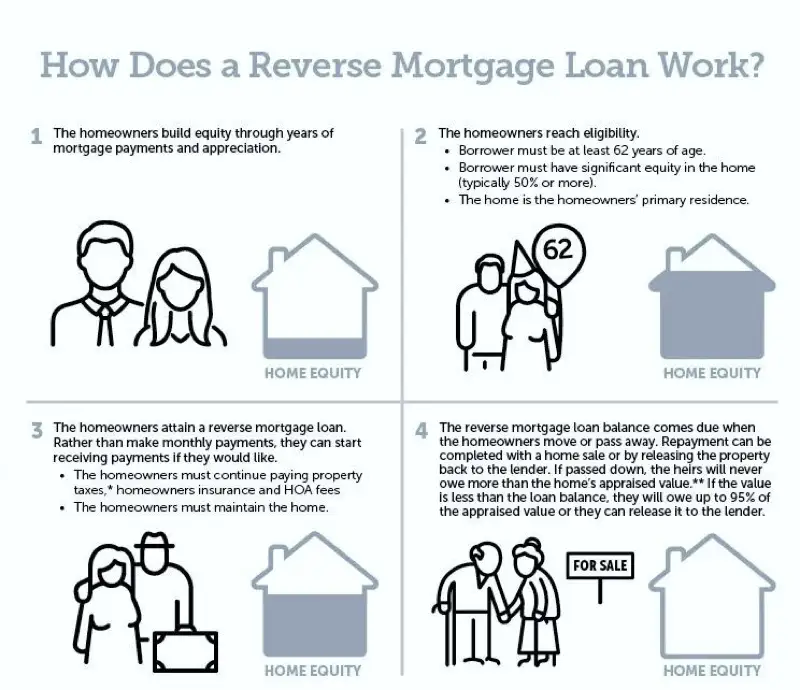 When considering a reverse mortgage, it is essential to understand the terms and conditions set by reverse mortgage companies. These terms can vary between lenders, so borrowers should be aware of any restrictions or requirements that may apply.
Common Terms and Conditions
- Minimum Age Requirement: Most reverse mortgage companies require borrowers to be at least 62 years old to qualify for a reverse mortgage.
- Primary Residence: Borrowers must live in the home that is used as collateral for the reverse mortgage as their primary residence.
- Loan Repayment: The loan does not need to be repaid until the borrower moves out of the home, sells the property, or passes away.
Examples of Different Terms Offered
| Reverse Mortgage Company | Terms Offered |
|---|---|
| Company A | Offers adjustable interest rates with a minimum age requirement of 62. |
| Company B | Requires borrowers to undergo financial counseling before obtaining a reverse mortgage. |
| Company C | Provides options for borrowers to receive funds as a lump sum, monthly payments, or a line of credit. |
Epilogue
Wrapping up our discussion on reverse mortgage companies, this conclusion encapsulates the key points discussed and leaves readers with a deeper understanding of the topic.
FAQ Insights
What fees are typically associated with reverse mortgage companies?
Reverse mortgage companies may charge origination fees, servicing fees, mortgage insurance premiums, and closing costs. These fees can vary among different companies.
How do interest rates offered by reverse mortgage companies compare to traditional mortgage rates?
Interest rates for reverse mortgages are generally higher than traditional mortgage rates due to the unique nature of these loans and the associated risks for lenders.
What are some common terms and conditions that borrowers should be aware of when dealing with reverse mortgage companies?
Borrowers should be aware of repayment terms, eligibility criteria, the impact on their heirs, and any restrictions on how the loan funds can be used. It's important to fully understand the terms before proceeding.